Sunday, December 18, 2022

Justice Harlans Descending Opinion in Plessy v Ferguson

 During what turned out to be one of the most influential and important court cases of all time where the court approved the principle of separate but equal, the vote came to 7-1 with one justice not participating. Justice John Marshall Harlan or "the lone dissenter" once said, "The white race deems itself to be the dominant race in this country, and so it is, in prestige, and achievements, in education and wealth and in power. So I doubt not it will continue to be for all time if it remains true to its great heritage and holds fast to the principles of constitutional liberty. But in the view of the Constitution, in the eye of the law, there is in this country no superior dominant ruling class of citizens. Our constitution is colorblind and neither knows nor tolerates classes among citizens. In respect of civil rights, all citizens are equal before the law. The humblest is the peer of the most powerful. The law regards man as man and takes no account of his color when his civil rights are guaranteed by the supreme law of the land."

The Supreme Court Justice Who Voted No on Segregation in the 1800s : NPR

 As a former slave owner and someone who was born in a slave state (Kentucky) he disagreed with president Lincoln on emancipation and actually opposed his reelection so some may ask: how does he go from that to becoming this champion of equal rights for freed slaves? Harlan's family was a prominent slaveholding family Harlan loved to preach about how our constitution is "colorblind." 

Justice John Marshall Harlan dissented on Supreme Court decision on Plessy  v. Ferguson - Newspapers.com

Judge Harlan did not believe in the "separate but equal" principle. He believed that every person in this country is equal. In respect to the law, Judge Harlan knew the amendments and constitution very well as well as the meaning behind them. He would not only look at the words of the amendments, but he would find deeper meaning between the lines and interpret them correctly. One thing that really stood out to me after reading his dissent and overviews of it was how he harshly insists that everyone is equal under the law. This sticks out to me because he was once a slave owner. To be speaking in the tone that he did in his dissent toward African Americans means that he has come a long way from the person he used to be and he has educated himself more reasonably.
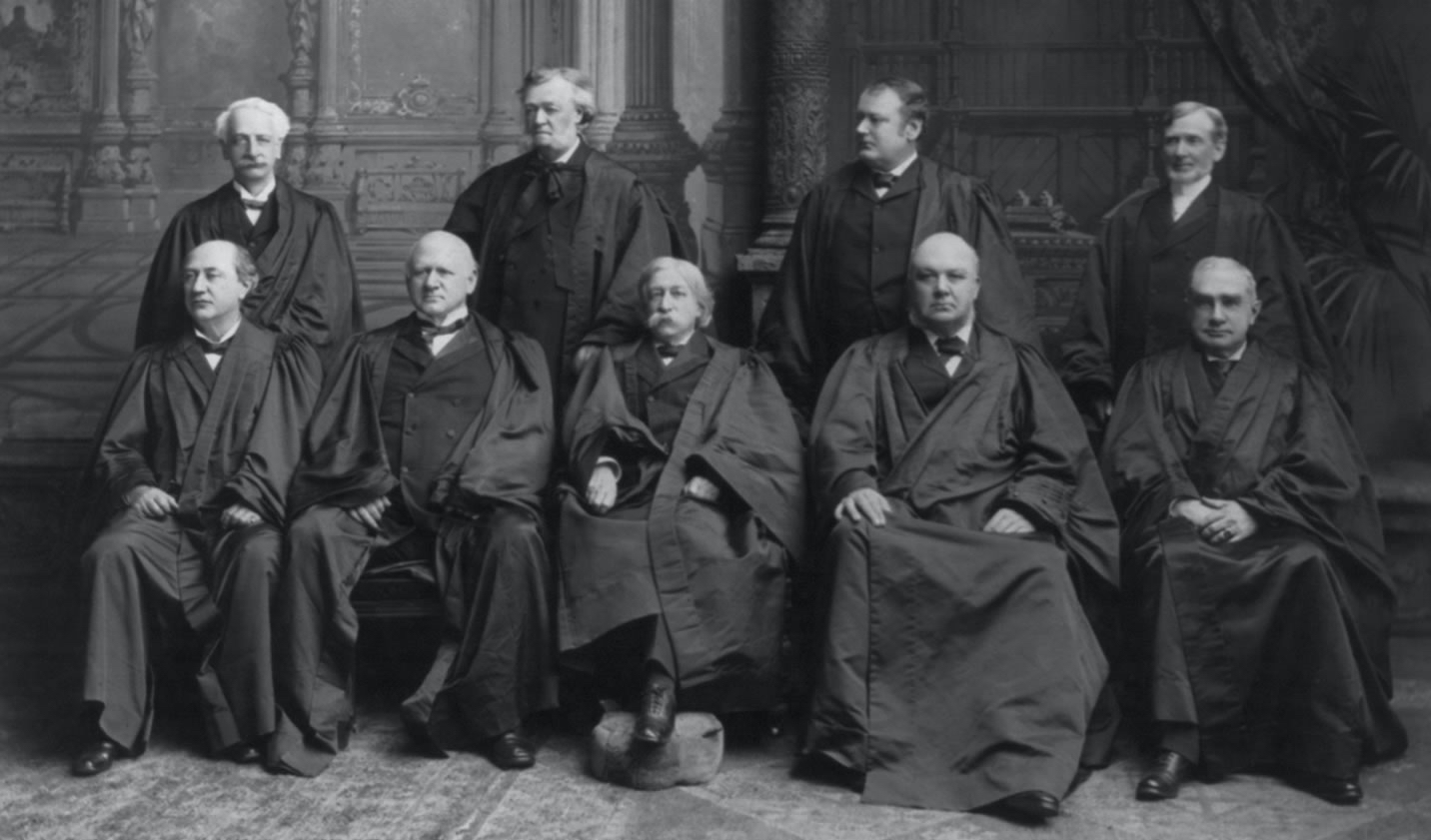
Greater than Holmes? The life and legacy of John Marshall Harlan -  SCOTUSblog

Guess Who's Coming to Dinner?

Guess Who's Coming to Dinner - Film Review - Variety

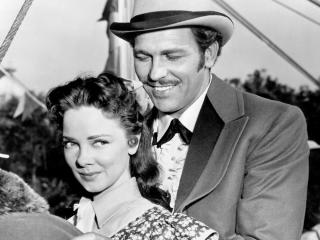
Guess Who's Coming to Dinner is a sensitive, nuanced romance film that is still relevant today. 50 years later, its perspectives on race relations in America are still applicable. When Joanna Katharine Houghton returns home early from a vacation in Hawaii, her parents are shocked to learn that her new fiancé named Dr. John Prentiss Sidney Poitier is a man of color, yet is madly in love with their daughter. This movie highlights the differences that can be manifested between ideals and actions. Joanna’s upper-class parents' approval is extremely important to John and something he must gain. 

Guess Who's Coming to Dinner (1967) - Turner Classic Movies

They are proud liberals, but their daughter intends to marry a black man which is completely new to them. Their attitudes and concerns are tested by John’s relationship with their daughter, as they are approached by a part of society that they had previously only really commented on and had little association with. They aren't sure how to feel about the couple but want to continue to love and support their daughter. The father is hesitant to give his blessing for the marriage because of the extreme prejudice he fears he/they will face. Before this film was released, interracial marriage was still illegal in 17 US states. This made the film a complex subject matter. The father supports the marriage between a white woman and a black man, but fears of the difficulties that the couple will endure in society. The film tries to communicate that the fathers of John and Joanna are blind to the fact that their kids love each other dearly, and they are overcomplicating the love. The film also addresses the fast pace of their relationship, considering they had only known each other and had been dating for 12 days before they were engaged. It also addresses how racism can happen to both sides of the party. Tilly's suspicion, John's less-than-thrilled parents coming to visit, and Matt's priest friend, Mike, all know how to keep tensions high in this movie. 

Guess Who's Coming to Dinner - Wikipedia

This movie is absolutely still relevant today because our society faces issues with interracial marriage, same-sex marriage, and other types of relationships. The movie's message that being in a biracial relationship doesn’t invalidate you as a member of a given culture is powerful. I personally loved this movie and enjoyed the storyline and message. I think it's a great watch and related heavily to our class. 

Linked below is a relevant news story about the societal issues this movie addresses:

https://www.youtube.com/watch?v=pb0acs3qoZI


Wednesday, December 14, 2022

Final Discussion Reflection

Our in-class final discussion was incredibly impactful and one that I will take with me in the future. Our discussion started with conversations about current cases and how they relate to older cases. We talked about modern 1st Amendment cases and why they are important in today's polarized society. Our discussion then transitioned into a conversation about race and how it relates to social media. It is important to talk about race because it is a significant aspect of identity that shapes people's experiences and perspectives in society. By acknowledging and discussing race, we can better understand the challenges and discrimination that many people face, as well as the systemic inequalities that exist in our institutions and culture. Engaging in open and honest dialogue about race can also help to build bridges and foster a sense of empathy and solidarity among people of different backgrounds. By addressing the issue of race, we can work towards creating a more inclusive and equitable society, and we did just that. 


Our discussion was also a debate about how social media severely affects politics today. This was the largest thing I took away from our discussion. We talked about how people hide behind their screens to make it seem like they want to help societal issues but in reality, people just post what is trending to seem like they are involved in an issue that they don’t care about whatsoever. The infographic trend has taken over social media and people think they can save the world’s issues by resharing some edit.


However, social media has also introduced new challenges, such as the spread of misinformation and the amplification of extremist views. Overall, social media has greatly changed the landscape of politics and will continue to do so in the future.


I’m actually incredibly thankful for the in-class discussion because I was able to hear the opinions of my peers and even if I didn’t agree with them completely, I listened and considered ever point they made. I also got to know some of me peers a little better and it was inspiring to hear them stand up for what they believe and issues they think are prominent in today’s society. 


Sunday, December 4, 2022

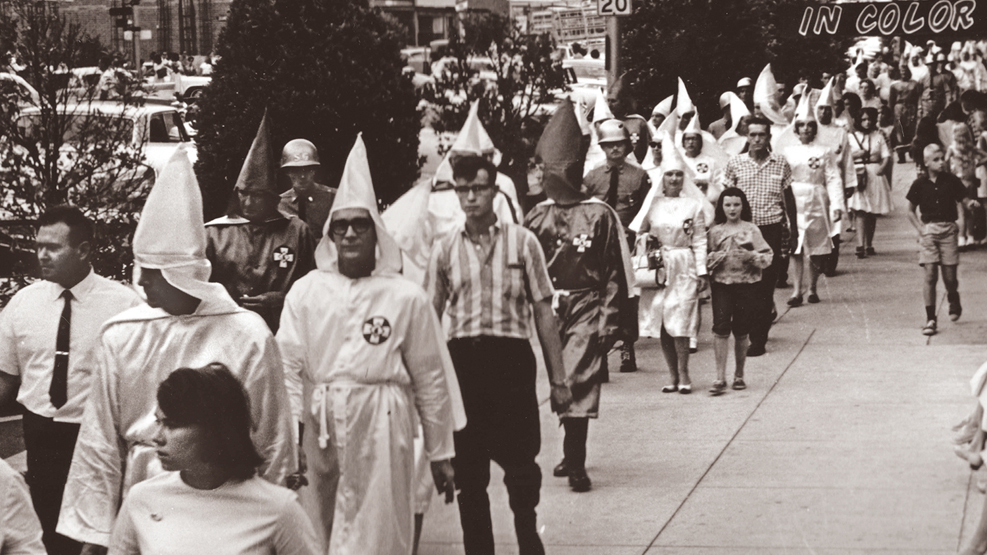
Klansville, U.S.A

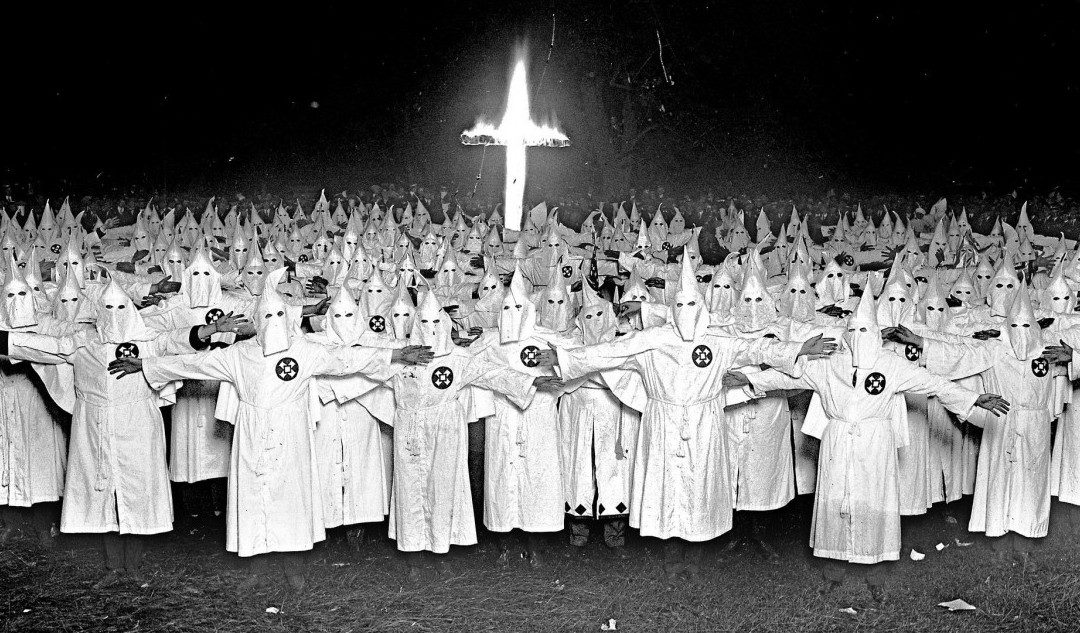
Klansville U.S.A.: the name given to a town in South Carolina that was once riddled with anti-black KKK members during the 1960s. Making their much-awaited return after their fallout in the 1920s, the Klan came back larger and more powerful than ever.

If you were born into a family of Klu Klux Klan members, you’re bound to be one during this time. This is what happened to Bob Jones, a member of the military who was known to be a racist. He was dropped from the military after refusing to salute a black officer. After being discharged, Bob Jones worked for a well-off life while making a sufficient amount of money. Bob then decided to organize a rally. He did not believe that many would show up but to his surprise, about 2,000 people came. This North Carolina rally was what helped Jones come to the realization that he had a “future” in that realm. He realized that the same people who showed up to his first rally would continue to support his efforts. These realizations are what led Jones to take his initiatives to the next level. Because of his efforts, the Klan grew to about 10,000 members despite North Carolina’s lack of progression with civil rights. Jones set up rallies across the state and built new chapters as well. 

The Klan became so large and popular that its growth was the cause of its downfall. The FBI started to catch on to its popularity and began to investigate the secrets of the Klan. The FBI used George Dorsett as a way to go against Bob Jones and unveil the secrets of the Klan. This led to the arrest of Jones and the loss of faith in Jones from his followers. 

The Klan is still present in the United States today. It was last reported that there were 42 active groups across 22 states. Upon further research, I found that there are 12 small, but active groups in Maryland (my home state). The first amendment protects the right to be a member of the Klu Klux Klan but it is a dying group because of how hard of a time they are having trying to show reasons that people should join and gain new followers. 


Who was Hazel Scott?

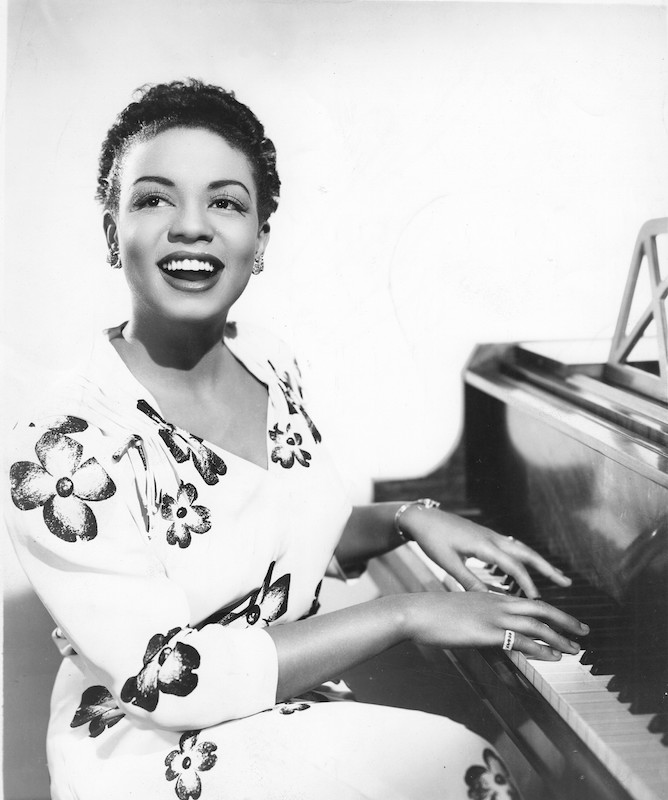
Hazel Scott was one of the most excellent jazz musicians of her time. To my surprise, I was unaware of who she was until she was brought up in my class by Professor Smith. Her enthusiasm and passion for music are evident in all of her work and especially through the videos we have watched as a class. It’s unfortunate that more people aren’t able to identify important Black figures in history who have shaped things like music, today. 

Hazel Scott: Piano Prodigy Broke Barriers for Women of Color | Time

Known for her jazz and boogie-style music, Hazel was always an incredible pianist. Hazel was born in the Port of Spain in the Caribbean country of Trinidad and Tobago. Four years later, her family moved to the United States and settled in Harlem. Hazel then auditioned for the Julliard School of Music at the age of 8, even though they typically only enrolled students ages 16 and above. Hazel was given private lessons by a professor at the school and then began to perform regularly for radio programs, as well as the Roslin Dance Hall. It was her 1939 performances at Café Society in Greenwich Village that pushed Scott’s career to the next level. Café Society was New York’s first fully integrated nightclub and the city’s hot spot for jazz. Throughout her career, Hazel declined any opportunity that involved any form of racism, all to stand in support of the Black community. Scott credited her courage to her mother who encouraged her to become the powerful and independent woman she was. Later on, Hazel married Adam Clayton Powell Jr. and together, they became a powerful activist couple. Hazel was the first person in the United States to have her own TV show. The Hazel Scott Show aired for 15 minutes, three times a week, first in New York City and then nationally. 

The Hazel Scott Show - Wikipedia

Scott played the mix of classics, jazz, and boogie-woogie blues for which she was known and the show earned good ratings. Unfortunately, the show was canceled after a few months because of her involvement in political activism. Scott then divorced her husband and moved to Paris where she remarried and continued performing as well as being an activist. When she eventually came back to America, the height of her fame was behind her. She continued to perform in small clubs for her fans and continued to take small jobs. Scott then got cancer and sadly passed away from pancreatic cancer in 1981. 

Hazel Scott left a lasting impression on the world of jazz and pathed the way for Black musicians to come after her. Her passion for activism inspired many and she is now recognized as a forgotten pioneer of music. Her resilience and courage to stand up for what she believed was an incredible statement and one that heavily impacted the fight for equality.

https://www.youtube.com/watch?v=ySQ8cA4a-f8


Sunday, November 27, 2022

Redlining (EOTO/Trial)

Redlining is when lenders refuse financial services including denying mortgages, insurance, and loans based on a resident’s race or ethnicity. Redlining began in 1933 with FDR’s “the new deal”. When the federal housing administration subsidized builders to produce suburbs at a massive scale under the condition that these new suburbs were for whites only and could not be sold to African Americans which forced them into urban housing projects in poor inner-city neighborhoods. FHA then took it a step further by refusing to insure mortgages or give loans in or near African American neighborhoods. defending themselves by saying if African Americans bought homes in the suburbs the property of these homes would go down. The homeowner’s loan corporation came up with residential security maps which are maps sectioning off areas of the city into four categories based on the risk of defaulting on loans. The different colors on the maps indicated different levels in society: African Americans being “red.” The red area was designated for individuals who were “detrimental to society” and were foreign-born, aka negros.

What Is Redlining? - The New York Times

Residential security maps were adopted by cities all over the country. Even though there was no evidence at the time to support that African Americans were more likely to default on their loans. Redlining was officially made illegal in 1968 with the Fair Housing Act, after over 30 years of extreme housing discrimination. In fact, after those 30 years, white households received 98% of all FHA loans, leaving only 2% for all minority groups combined. However, just because redlining was made illegal, doesn’t mean that all damage was done. The effects are still present today. Today the average African American accounts for just 60% of the income in white households. While redlining doesn’t account for all of that economic inequality, it definitely plays a role. It’s no secret that home ownership is a major way Americans mask wealth. In the 40s, 50s, and 60s, even African Americans that could afford to live in the suburbs were denied, meaning they didn’t get the benefit of the shared household appreciation. During the 60s those houses sold for twice the national average so by the time redlining was made illegal, those same African Americans could no longer afford to live in those suburban houses. Today, those same houses sell for an average of 6-8x the national average.

Redlining robs Black families of generational wealth - The Washington Post

A 2020 study at the University of Wisconsin found that redlining not only reduced minority wealth but it also impacted their health and longevity resulting in a legacy of chronic illness and relative death. The average life expectancy was 3.6 years lower for those living in redlined areas, given that redlined areas were way more likely to be near industrial plants and without healthy drinking water. It also played a role in education. Schools are often funded by communities’ property tax so if you live in an area with lower property values, there’s less money going into the public school system in your area and without money, school quality declines drastically. Redlining was a dark spot in American history and significantly impacted the way of life for African Americans and its effects are still being felt today.


Tuesday, November 8, 2022

Brown v. Board of Education Historical Overview

    The 1950s were a decade marked by the post-World War II boom, the dawn of the Cold War, and the civil rights movement in the United States. During the 1950s, however, the struggle against racism and segregation entered the mainstream of American life. While racism was still very present, the integration movement had made some progress in the trial of World War II. 

    America had just witnessed black and white soldiers fight together for the same cause for the first time. In the Holocaust, they also saw what horrific forms state-sanctioned racial superiority could take. The problems of the Great Depression affected nearly every group of Americans, yet no group was harder hit than African Americans.

 Last Hired, First Fired: How the Great Depression Affected African Americans  - HISTORY

The Great Depression of the 1930s worsened the already pathetic economic situation of African Americans. They were the first to be laid off from their jobs, and they suffered from an unemployment rate that was two to three times that of whites. In early public assistance programs, African Americans often received substantially less aid than whites, and some charitable organizations even excluded Blacks from their soup kitchens. By 1932, approximately half of African Americans were out of work. In some Northern cities, whites called for African Americans to be fired from any jobs as long as there were whites out of work. Racial violence again became more common, especially in the South. Lynchings, which had declined to eight in 1932, surged to 28 in 1933. 

    Although most African Americans traditionally voted Republican, the election of President Franklin Roosevelt began to change voting patterns. Roosevelt entertained African American visitors at the White House and was known to have several black advisors. According to historian John Hope Franklin, many African Americans were excited by the energy with which Roosevelt began tackling the problems of the Depression and gained "a sense of belonging they had never experienced before" from his fireside chats. Roosevelt's Polio Wasn't A Secret: He Used It To His 'Advantage' | WBUR

(President Franklin D. Roosevelt)

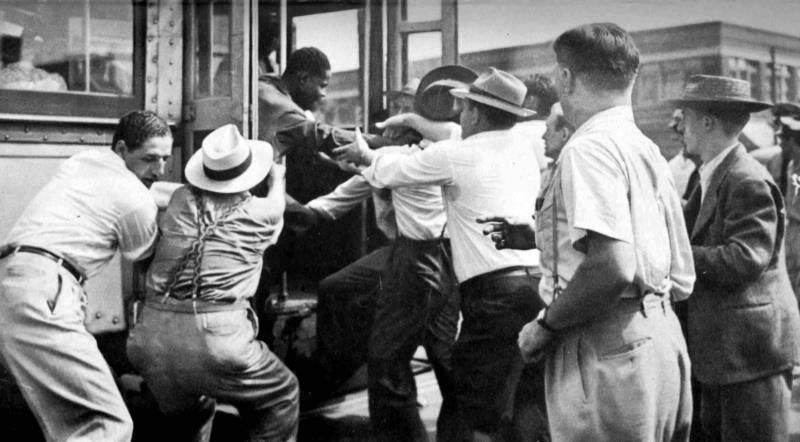
The complex racial norms of the 1940s in America both sustained the color barrier and supported its challenges. Around 1.5 million African Americans left the South during the 1940s, mainly for the industrial cities of the North. Once again, serious housing shortages and job competition led to increased tension between Blacks and whites. Race riots broke out and the worst of them occurred in Detroit in June of 1943 where forty deaths and seven hundred injuries took place. 

Detroit Race Riot (1943) •

(Image from the Detroit race riot in 1943)

    Moving into the 1950s, life was fantastic for white males. While the 1950s were something of a golden age for blue and white-collar workers, it was barely a time of expanding opportunities for African Americans. Rigid segregation was the rule throughout the country, especially with housing, jobs, and employment. In the South, public accommodations were segregated by law, while in the north it was usually happening by custom or de facto segregation. The new suburban neighborhoods that sprang up in the 1950s were almost completely white and this remained true for decades. According to Eric Foner, “As late as the 1990s, nearly 90% of suburban whites lived in communities with non-white populations less than 1%.” It wasn’t just housing that was hurting the black community. In the 1950s, half of black families lived in poverty. When they were able to get union jobs, black workers had less seniority than their white counterparts so their employment was less stable, and sub-standard segregated schools severely limited their educational opportunities. This is where it all begins with the case of Brown vs. Board of Education. 


Wednesday, October 26, 2022

Band of Angels Movie Reflection

       BAND OF ANGELS" (1957) Review - Rosiepowell2000's blog

         Band of Angels is a romantic and dramatic film placed in the time of the American south before and during the Civil War. Southern belle, Amantha star, was a privileged white woman who grew up in the antebellum south. Her father, a Kentucky plantation owner, had been living off of borrowed money. After the passing of her father, the shocking discovery of the race of her mother flips her world upside down. Because of her recently discovered racial background, Imantha is considered black, although she looks white. After her father dies, Amantha is sent to be sold in place of the depths her father was in. Amantha is soon considered a slave and is sent to an auction in New Orleans. There, she was bought by a well-off man named Hamish Bond. Hamish saves her from the embarrassment she is being put through by buying her for an extreme price. Hamish owns multiple properties and treats all his slaves with dignity, and indeed has raised Rau-Ru as a son. On the boat ride back to Bond's home, he treats her with kindness and not as a slave. He then makes it clear that he intends to rape her. She is petrified by this and plans to hang herself from the ceiling in her room. Amantha arrives at the plantation and is greeted by an array of people. Amantha begins to grow unsure of what Hamish wants from her because she is technically a slave. Hamish shows interest in a different type of relationship with Amantha, one nothing like that of a slave and owner. Eventually, a romance develops between the two and Hamish offers Amantha freedom. Amantha is opposed to this and ops to stay. To make matter worse, Hamish bears a terrible secret from his past that makes new issues arise. Then, the Civil War breaks out. Eventually, New Orleans falls to the Union, making Hamish Bond a wanted man. He and Amantha are helped to escape by Rau-Ru (Hamish's right-hand man), who had fled and joined the Union army.

20 best movies like City of Angels (1998)  

      Although this movie receives a lot of criticism, it does deserve credit for approaching slavery in a different way. It is obvious that Amantha openly resents her blackness and is ashamed to have that in her blood. the movie did not hesitate to expose the ugliness of the slave trade and the system itself, and the fate of a large number of slaves who found themselves being forced by Union forces to continue struggling on the cotton and sugar plantations on behalf of the North. I think there are a few different aspects that the movie could have tapped into more to accentuate the plot and storyline of the movie. The movie is usually compared to "Gone with the Wind" although, I saw few similarities. 


Tuesday, October 25, 2022

Trial #2 Reaction (Plessy v. Ferguson)

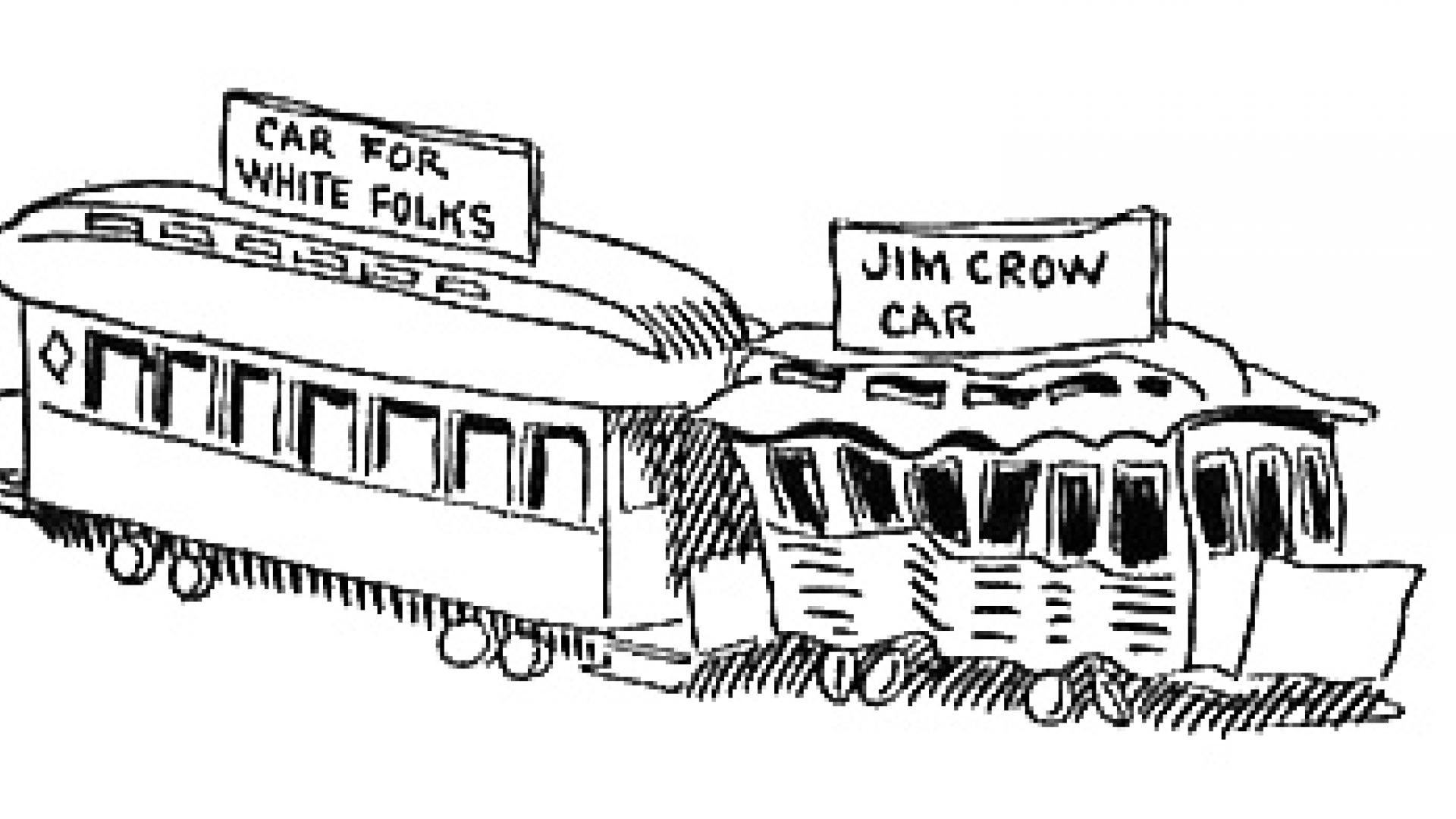
 How can one say that “all men are created equal” when the Plessy v. Ferguson case still happened? If all men are created equal, why are they separate? Why aren’t they allowed to have the same rights as white people including the same rights to business? As stated in a student's presentation, “no matter the color of the skin, business is business.” Homer Plessy was a paying customer who never caused an actual problem. The train is the primary form of transportation and Homer Plessy had every right to share the same car as a white person. One of the largest takeaways I had from this mock trial was the point one student made about what the difference is between slaves and free black people. How can black people be in our kitchen, cooking and cleaning for us but not in the same train car? It is also important to note that a plantation couldn’t run without black people. A child has to spend so much time with the mammy and she even acts as a second mother to the child. The lives of blacks and whites were intertwined so how were slaves so wanted when slavery was a thing, but now white people can’t even stand to be within feet of them? When did this change? Homer Plessy was only 1/8th African American. The argument of him being “black” can't even apply to him because it doesn’t accurately describe him. This brings up the question of how can u even classify him if he’s not straight white or black? Where then does he fall? Another question that was brought up was, “since when did we give the states the role of interpreting the constitution?” The state was doing this regarding the 14th amendment when its the court’s job, not the states, but this was never brought up in Plessy v. Ferguson. What does the race of the person holding the dollar have to do with the transaction? Doesn’t the business owner want to make money either way? Just because the person holding the dollar is black, doesn’t mean the dollar itself has a race too. This way of thinking is hurting the overall economy which people are overlooking. The 14th amendment doesn’t designate race like black citizens or white citizens. We’re all God’s children which brings in a morality aspect.

Plessy v. Ferguson & the Roots of Segregation | Understanding the American  South


The opposing side argued a couple of things. Louisiana had a law in place that whites and blacks were not supposed to be in the same place at the same time. Plessy was technically breaking the law and “social norms” by doing what he did. Louisiana claimed there was a “comfort” aspect to this as well and they were just trying to support society and social norms. The opposing side used examples from the Bible and talked about mixing things and how if it can exist through plants and animals then it should exist for mankind. Louisiana thought combining white and black people would just enhance problems on both sides which was their best defense. They also claimed this situation didn’t impact the 14th amendment because it doesn’t change the status of one’s citizenship. They claimed Plessy intentionally did this, knowing it would cause problems, therefore, he was in the wrong because of his ill intent and malice. 


Wednesday, October 19, 2022

EOTO: The Civil Rights Act of 1866 and 1875

In 1865, the war has just ended and the United States started to move into what was known as the Reconstruction Period. The reconstruction time period was a period that made many attempts to confront the issues of equality within the United States and to reunite the 11 states which had succeeded from the Union. After President Lincoln’s assassination in 1865, Andrew Johnson become president. Johnson allowed new state governments to be created. The former succeeded states were not allowed to succeed and continue the practice of slavery but they were allowed to handle their own affairs. This led to Black Codes. Lyman Trumbull was the one who initially introduced the Civil Rights Act. Published on April 9th, 1866, this act protected all persons in the United States and their civil rights and furnish the means of their vindication. This act guaranteed basic economic rights to create contracts, sue, inherit, purchase, lease, sell or own property. It also guaranteed citizens the right to engage in business and give evidence in court. The act also sought to overrule Black Codes. As stated by the act, all persons born in the United States (with the exception of American Indians) we hereby declare to be citizens of the United States and that such citizens of every race and color should have the same right as is enjoyed by white citizens. This gave citizenship a proper definition and with this, denying any person the right to citizenship because of their race became an act of racial discrimination which was illegal. Unfortunately, Andrew Johnson was not in favor of this act. He stated, “I regret that the bill which has passed both houses of Congress, entitled “An act to protect all persons in the United States and their civil rights, and furnish the means of their vindication,” contains provisions which I cannot approve consistently with my sense of duty to the whole people, and my obligations to the constitution of the United States. I am, therefore, constrained to return it to the Senate (the house in which it originated) with my objections to us becoming law.” Although he vetoed the act, congress was able to overturn it by having a 2/3rds majority and the act became official. This veto then led to him being impeached due to the imposing views between him and radical Republicans. Overall, The Civil Rights Act of 1866 declared all persons born in the United States to be citizens, "without distinction of race or color, or previous condition of slavery or involuntary servitude.”

 Andrew Johnson's Veto of the Civil Rights Act, 1866 - Bill of Rights  Institute

Sometimes called “The Enforcement Act,” the Civil Rights Act of 1875 was a United States federal law enacted during the Reconstruction era in response to civil rights violations against African Americans. The bill was passed by the 43rd United States Congress and signed into law by United States President Ulysses S. Grant on March 1, 1875. The act was designed to "protect all citizens in their civil and legal rights", providing for equal treatment in public accommodations and public transportation and prohibiting exclusion from jury service. It was originally drafted by Senator Charles Sumner in 1870 but was not passed until shortly after Sumner's death in 1875. The law was not effectively enforced, partly because President Grant had favored different measures to help him suppress election-related violence against blacks and Republicans in the Southern United States. The act did three important things. It granted all Americans, regardless of race, equal access to all public places. This included places like theatres, hotels, train stations, and restaurants. The act also set a penalty for anyone who denied equal access to someone else because of race. The penalty was $500 which was a significant amount of money at the time. The third thing it did was grant the rights of all citizens, regardless of race, to serve on a jury. This act changed the course of life for all African-American people and was a crucial part of the uphill climb to creating equality across whites and blacks.  

Cincinnati Mostly Ignored the Civil Rights Act of 1875 - Cincinnati Magazine

Sunday, October 9, 2022

Trail #1

    In the 1830s, the abolitionist movements started to skyrocket. From the 1830s to the 1860s, the movement to abolish slavery in America gained strength. People started to form their own opinions on slavery and dig deeper into the different aspects of it. The movement was led by free Black people who included significant names like Frederick Douglass. White supporters also joined him and they included people such as William Lloyd Garrison, founder of the radical newspaper The Liberator, and Harriet Beecher Stowe, who published the bestselling antislavery novel Uncle Tom’s Cabin. In 1830, the U.S. population was 12.8 million, with more than 2 million slaves who were still not close to being free. Slaves still had no constitutional rights. They could not testify in court against a white person or even leave the plantation without permission. Slaves often found themselves rented out, used as prizes in lotteries, or as wagers in card games and horse races. 

United States slave trade, 1830 | Library of Congress

    While many abolitionists based their activism on the belief that slaveholding was a sin, others were more inclined to the non-religious “free-labor” argument, which held that slaveholding was regressive, inefficient, and made little economic sense. The mass majority of Americans who joined the antislavery cause in the 1830s came from the countryside and small villages of the North. They typically grew up in deeply religious, reform-oriented families, creating the basis of their beliefs. Through the Louisiana Purchase, the question of slavery became both geographical and political and ushered in a period of national debate between pro- and anti-slavery states. They wanted to gain political and economic advantage. By 1820, Congress became obsessed with the debate over how to divide the newly acquired territories into slave states and free states. The Missouri Compromise- also referred to as the Compromise of 1820- was an agreement between the pro- and anti-slavery factions regulating slavery in the western territories. It prohibited slavery in new states north of the border of the Arkansas territory, excluding Missouri. Constitutionally, the Compromise of 1820 established a precedent for the exclusion of slavery from public territory acquired after the Constitution and also recognized that Congress had no right to impose upon states seeking admission to the Union conditions that did not apply to those states already in the Union. In 1820, the Missouri Compromise brought Missouri and Maine into the Union. By this time more than 20,000 Indians lived in virtual slavery on California missions. Introduction - Missouri Compromise: Primary Documents in American History -  Research Guides at Library of Congress

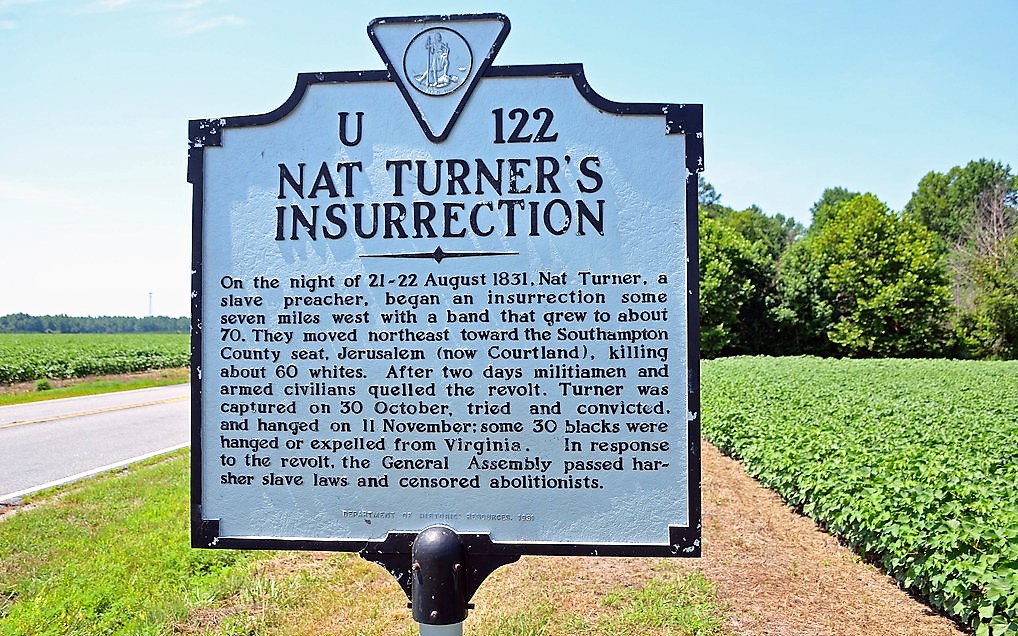
The same year, Congress made trade in foreign slaves an act of piracy (the unauthorized use or reproduction of another's work). In 1831, Nat Turner led the most brutal slave rebellion in United States history. It attracted up to 75 slaves and killed 60 whites. Supporters of slavery pointed to Turner’s rebellion as evidence that Black people were “inherently inferior barbarians requiring an institution such as slavery to discipline them, and fears of similar insurrections led many southern states to further strengthen their slave codes in order to limit the education, movement, and assembly of enslaved people.” This was monumental for slavery and its progression toward being abolished. 

Nat Turner Slave Rebellion: A Chronology

    In 1840, the slave population reached its peak of nearly 59,000. By 1860, there were 37,000 enslaved people, just 63 percent as many slaves as two decades earlier. All this being said, slavery was still a prominent thing, and people of color were still being treated awfully and with no respect, despite the movement towards the abolishment of slavery.


Sunday, October 2, 2022

Gone with the Wind Reflection

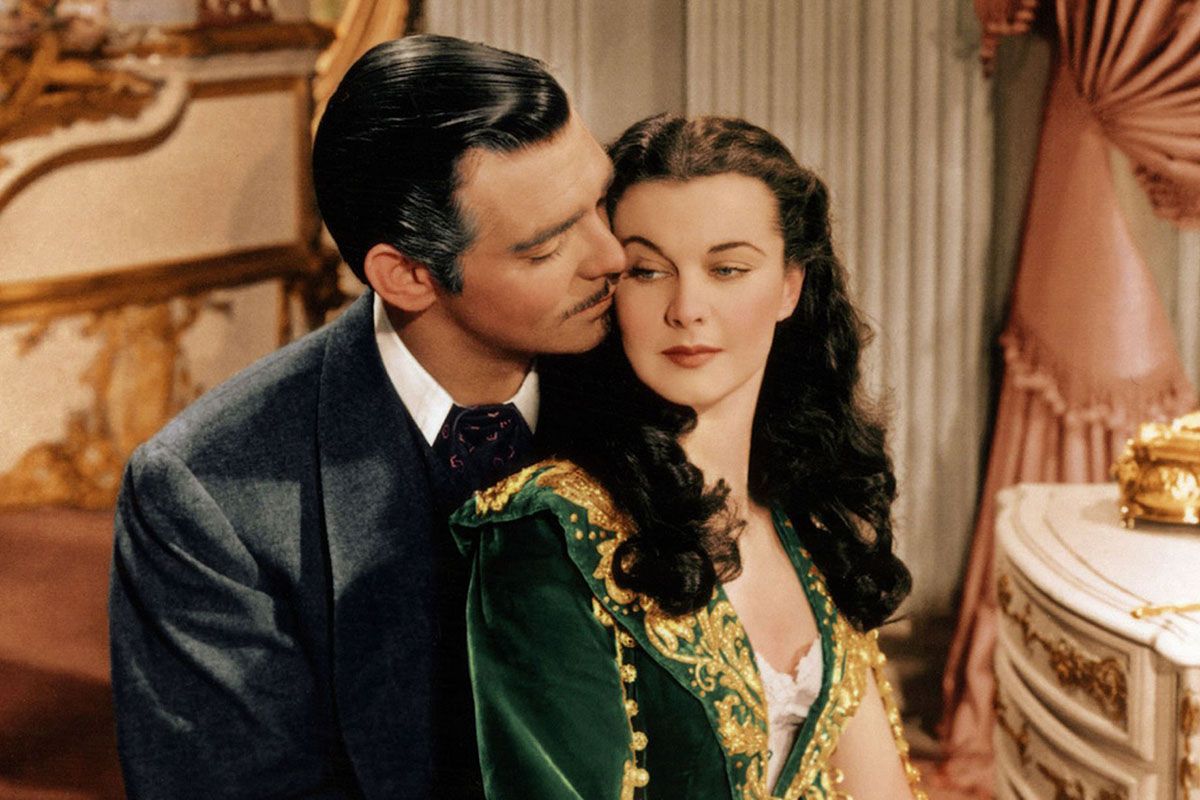
 Set in on a Georgia Plantation in 1861 during the Civil War, Gone with the Wind is a tragic love story packed with mature symbolism and language. Gone with the Wind was created to communicate messages about war and the impacts of it. It was also created as a metaphor of the way of life before the Civil War. 

Gone With the Wind' 80th Anniversary: 15 Things You Didn't Know About the  Classic Movie

Some critics say that the movie was created to persuade people not to get involved with war because it causes death and destruction. There are a variety of hidden themes throughout the movie, one of which includes fog which appears a couple of times. Another theme present is feminism and that is shown throughout the film as the women overcome hardships and situations. It can be argued that some of the characters are symbols for involvement in war and war in general. Scarlett fights for a victory for love and then ends up realizing that the fight wasn’t worth it in the end. She uses people like Rhett for her own benefit to get what she wants. Melanie symbolizes peace within this war and it is trying to be communicated that without her advice, there would be no control over the characters and the situation. Mammy can be interpreted as someone who doesn’t fight in the war but still endures the consequences. This ties back to how war hurts everyone, even people who don’t deserve it. The movie covers aspects of survival, the love of home, and obviously, war. A fun fact that I found out about the movie when doing my own research was that during the movie premier, no African-Americans were not allowed to attend.

Gone With the Wind' is also a Confederate monument, but on film instead of  stone - The Washington Post 

This ended up being ironic because the first African-American to be nominated for, and win, an academy award was Hattie McDaniel who was the actress in a supporting role for the film. She was also the first time an African-American attended the awards as a guest. Hattie McDaniel - Wikipedia

This movie is said to be one of the most important films that the United States has ever created and is a must-see.

Sunday, September 18, 2022

Slavery and the Bible

 Throughout history, we have seen the idea of slavery take place all over the world. We have focused on the most in the United States, especially in the 1800s. Religion played a massive role in how people viewed slavery because during this time most people were very religious no matter what the religion may have been. In Catholicism, we see that they believed in slavery because their religion never specifically said anything negative about it. Since their religion never preached that the idea of slavery was a sin, they saw nothing wrong with the idea and took it as more of a right. 


Pro-Slavery: Rachel

Since Catholicism was the main religion in the United States throughout the prime years of slavery, it influenced people’s minds the most. According to Ephesians 6:5-8 Slaves, obey your earthly masters with respect and fear, and with sincerity of heart, just as you would obey Christ. This shows how the Bible easily tells people it is ok and will not be looked down upon by God. For instance, in Maryland, there was a plantation that was bought by a Jesuit priest who used his slaves to spread the word of the Catholic church. The pay that the slaves would receive would go to the building of new churches and new schools. We see here that the Catholic church used the Bible to preach and enforce the idea of slavery.


This photo shows Frank Campbell who was one of the enslaved men on this plantation.


New York Times Article


Over the years the Catholic Church has grown and modernized. One big thing that has changed was when the new Catechism of the Catholic Church (teachings of the Roman Catholic church) was published in 1994. This new idea of teachings truly changes the Catholic’s ideas from pro slavery to against it. In the seventh commandment, it states that “you shall not steal”. This meaning that the idea of slavery is an idea of stealing. You steal their identity, because when slaves were employed they were not given names or self-identities. Also, the employers would steal their incomes and use it on themselves because they believed that they should not get paid. Without the changing of the Catechism of the Catholic church, they would still believe that being treated as an object and stealing one's identity is moral because the church does not say anything against it. “No longer slaves but brothers and sisters,” said has said, Pope Francis.


Pictured is the “Catechism of the Catholic Church” which was published in 1994.


https://justiceandpeace.org.au/key-ideas-and-extracts-about-slavery-trafficking/

https://faithmag.com/seventh-commandment-you-shall-not-steal

https://amsterdamnews.com/news/2018/09/18/major-role-catholic-church-played-slavery/

https://news.harvard.edu/gazette/story/2019/01/a-harvard-exhibit-on-slavery-and-christianity/


ANTI-SLAVERY: Lauren


Christianity has so much history to it that it is extremely hard to say, “Yes, the Bible was pro-slavery” or “No, the Bible was anti-slavery.” The correct answer to someone asking what the Bible believed about slavery is that it was both pro and anti-slavery. I will be unpacking the anti-slavery side of Christianity. One thing that most people don’t understand is that when the Bible was written, slavery had a completely different meaning, which is why it is hard to come to a verdict on what side the Bible stood. 


Slavery was a completely different concept than it was in the 18th and 19th centuries. The Old Testament talks a lot about slavery. Throughout the O.T., it is clear that slavery existed. In Deuteronomy 27:7 it says: If someone is caught kidnapping a fellow Israelite and treating or selling them as a slave, the kidnapper must die. You must purge the evil from among you. It is evident that slavery was a thing during these times and that people in Israel were struggling. If we take a closer look at Exodus 21, it flat-out condemns the selling and enslavement of people. Although I am supposed to be talking about the anti-slavery side of things, it is not fair to give information about a Bible that supposedly condemns slavery, when there is so much background and history that get to that point. 

(Enslavement in Israel)


So what changed? Why was slavery okay back then but now, any Christian would immediately be against it? What people fail to understand is that slavery as spoken about in the Old Testament was not race-based at all. What one will see if they dive deeper into what the Bible says about slavery, is that it is condoned in both the New Testament and the Old Testament, but less in the New Testament. The Bible states that everyone is made in the image of God. The slave and the master are equally human and protected in our one in Christ. So yes, although the Bible is condoning slavery, is a completely different version of the slavery that we know today. What the New Testament explains better, is that the Bible's main goal was spiritual redemption, not social reform.  


A lot of times in the Bible, "slavery" refers to being a "slave" to Jesus. "When a stranger sojourns with you in your land, you shall not do him wrong. You shall treat the stranger who is sojourning with you as the native among you, and you shall love him as yourself, for you were strangers in the land of Egypt I am the Lord your God." (Leviticus 19:33-34). One of the reasons people say that the New Testament is more anti-slavery is that it talks more about not submitting yourself to slavery for people other than Jesus. So while the Bible is condemning slavery in a way, it still says that you should be a servant and a slave to Jesus, which is completely different than traditional slavery. In Galatians 3:28, Jesus states, "There is neither Jew nor Greek, there is neither slave nor free, there is no male and female, for you are all one in Jesus Christ." In Ephesians 6:9 Jesus demands, "Masters do the same to them and stop your threatening, knowing that he who is both their master and yours is in heaven and that there is no partiality with him.” In Ephesians 6:5, Jesus demands, "Slaves, obey your earthly masters with fear and trembling, with a sincere heart, as you would Christ.” 


To conclude our findings, it is fair to say slavery is equally condemned and condoned throughout the Bible and has completely changed over time. The meaning of slavery in the Bible is nothing like the meaning we know today, which is what people fail to understand. There are many different interpretations of what the Bible actually meant by all of these arguments. Religion has played a vital role in the development of slavery, and the Bible has been a critical tool when analyzing if slavery is ethical. 


Sources:

https://www.whatchristianswanttoknow.com/what-does-it-mean-to-be-a-slave-of-christ/


https://www.bibleodyssey.org/en/passages/related-articles/slavery-in-the-new-testament


https://emergencenj.org/blog/2019/01/04/does-the-bible-condone-slavery


https://www.thegospelcoalition.org/article/why-wrong-say-bible-pro-slavery/


Justice Harlans Descending Opinion in Plessy v Ferguson

 During what turned out to be one of the most influential and important court cases of all time where the court approved the principle of se...